




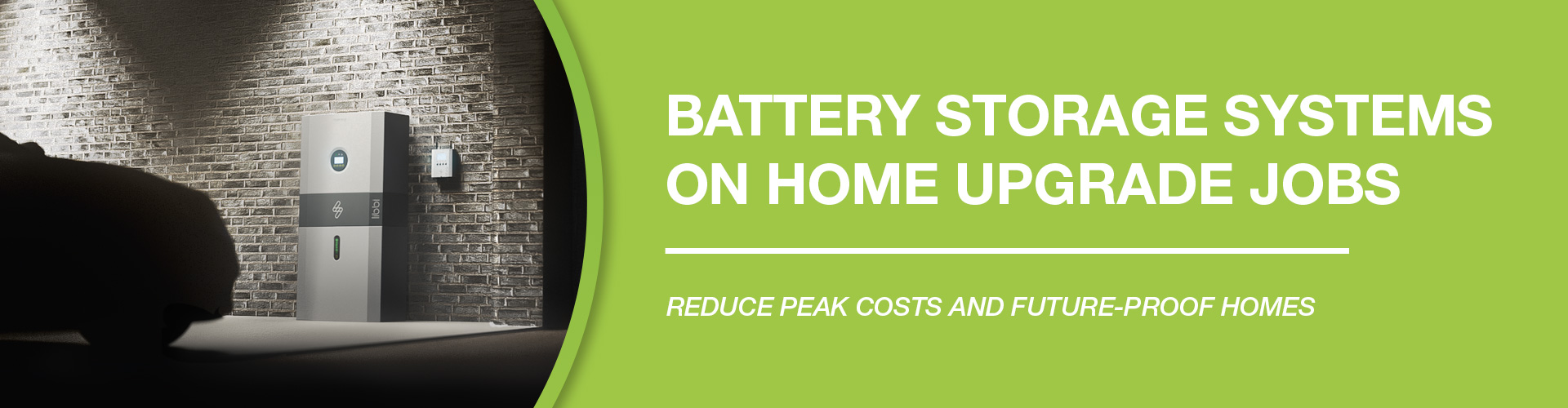
As more UK homes are upgraded under schemes like the Warm Homes Plan, battery storage is becoming an increasingly common addition to domestic electrical work. While solar panels and EV chargers often get the attention, battery storage is what allows households to use energy more efficiently, reduce peak costs and future-proof their homes.
For electricians working on home upgrades and electrification projects, knowing when to recommend battery storage — and what to consider electrically — is becoming essential.
What Is Home Battery Storage?
Home battery storage systems store electricity for later use. That electricity can come from:
- solar panels
- off-peak grid electricity
- excess generation that would otherwise be exported
The stored energy can then be used in the evening or during peak tariff periods, helping households reduce reliance on the grid when electricity is most expensive.
When Should Electricians Recommend Battery Storage?
Battery storage isn’t suitable for every property, but it makes particular sense in the following scenarios.
1. Homes with solar panels (existing or planned)
Battery storage allows households to:
- store excess solar generation
- use more of their own electricity
- reduce export reliance
For homes already investing in energy upgrades, adding a battery can significantly improve the return on their solar system.
2. Properties on flexible or off-peak tariffs
Many upgraded homes are moving to:
- time-of-use tariffs
- smart meters
- variable pricing
Battery systems allow cheap overnight electricity to be stored and used during the day, making them highly effective even without solar panels.
3. Homes adding EV chargers or electric heating
EV chargers and electric heating systems increase electrical demand. Battery storage can help:
- smooth peak loads
- reduce grid reliance
- improve overall energy management
On upgrade projects where supply capacity is already being reviewed, battery storage often becomes a logical add-on.
4. Whole-home upgrade or modernisation projects
Battery storage is most commonly specified when other work is already taking place, such as:
- consumer unit upgrades
- EV charger installations
- ventilation or insulation improvements
At this stage, disruption is already expected, making battery installation more cost-effective and practical.
Electrical Considerations for Battery Storage Installations
From an electrician’s perspective, battery systems introduce several important considerations.
Consumer unit capacity and protection
Many battery systems require:
- dedicated circuits
- appropriate overcurrent protection
- surge protection
Older consumer units often need upgrading before a battery can be installed safely and compliantly.
Surge protection is critical
Battery inverters and control electronics are highly sensitive. Surge protection devices (SPDs) are now widely considered best practice on installations involving:
- battery storage
- EV chargers
- solar inverters
Adding SPDs reduces equipment failure and installer liability.
Isolation and maintenance access
Battery systems must be installed with:
- clearly labelled isolators
- safe access for future maintenance
- consideration for future expansion
Good layout and documentation reduce callbacks and improve long-term safety.
Load management and future demand
Even if current loads are manageable, electricians should consider:
- future EV additions
- heating upgrades
- additional storage capacity
Battery storage is often part of a longer electrification journey, not a one-off install.
Common Questions Homeowners Ask (and How to Answer Them)
Do I need solar panels first?
No — batteries can work with off-peak tariffs alone, though solar increases their value.
Will it reduce my bills?
Yes, particularly where electricity prices vary throughout the day.
Can it be added later?
Yes, but it’s often cheaper and easier to install during other electrical upgrades.
How Battery Storage Supports the Warm Homes Plan
The Warm Homes Plan isn’t just about installing new technologies — it’s about using energy more intelligently. Battery storage supports this by:
- reducing peak demand
- improving energy efficiency
- helping households manage electrified homes more effectively
As homes become more electric, storage plays a key role in keeping energy affordable and reliable.
What This Means for Electricians
Battery storage is no longer a niche product. On modern home upgrade projects, it’s becoming:
- a natural extension of electrical work
- a way to add value to installations
- a tool for future-proofing homes
Electricians who understand when battery storage makes sense — and how to install it safely — will be better positioned as home electrification continues to grow.
Supporting Battery Storage Installations with Electricpoint
Electricpoint supports electricians with a wide range of products that underpin safe, compliant battery storage installations. From consumer units and circuit protection to surge protection and isolation, having the right electrical infrastructure in place is essential for modern energy systems.
By sourcing the correct equipment at the planning stage, electricians can deliver efficient installations, reduce risk on site and ensure upgraded homes are ready for the next phase of electrification.